


Silkscreen guide
Silkscreen transfers: definition, benefits and uses
Sports jerseys, workwear, event tote bags… Silkscreen transfers are everywhere, often unnoticed. A manufacturer since 1976, Seripress explains the process, its strengths and its uses.
By the Seripress team, textile transfer manufacturer in France since 1976
Key points
- Only the ink is transferred: no weeding
- Machine washable up to 60 °C
- 0.3 mm details with SeriOne
- Applied at 140 to 180 °C, cold peel
- OEKO-TEX® Standard 100, REACH compliant
- Made in Saint-Marcellin, France
01
What is a silkscreen transfer?
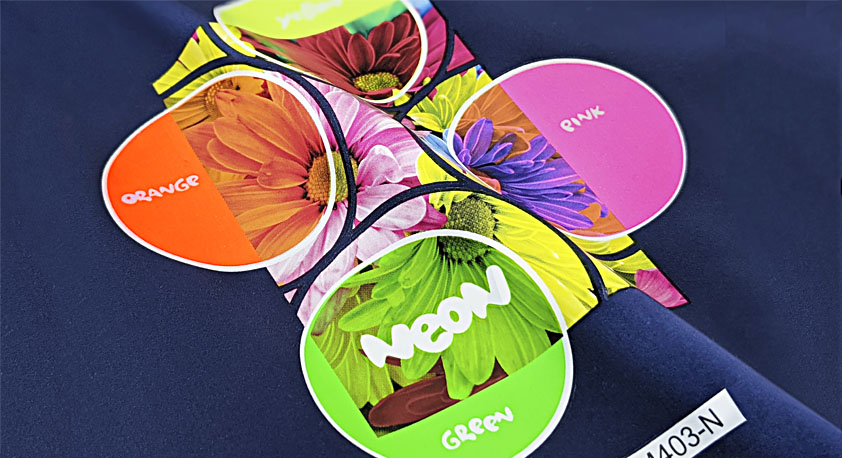
Screen printing is a printing technique in which ink is pushed through a screen made of a more or less fine mesh. For a silkscreen transfer:
- The paper carrierThe design is printed this way on a paper carrier.
- The heat pressIt is then transferred onto the item.
- Only the ink is transferredNo cutting, no material to remove.
02
Benefits
- DurabilityColours and adhesion retained after many machine washes, up to 60 °C.
- DetailTechnical designs, illustrations, photos; 0.3 mm details with SeriOne.
- Ready to applySharp outlines, no weeding.
- Delicate materialsCan also be applied to windbreakers, nylon, luggage, umbrellas, non-woven or leather, with suitable settings.
- Cost-effectiveNo ink stock, no printing machine to maintain: you decorate items as orders come in, with no unsold stock.
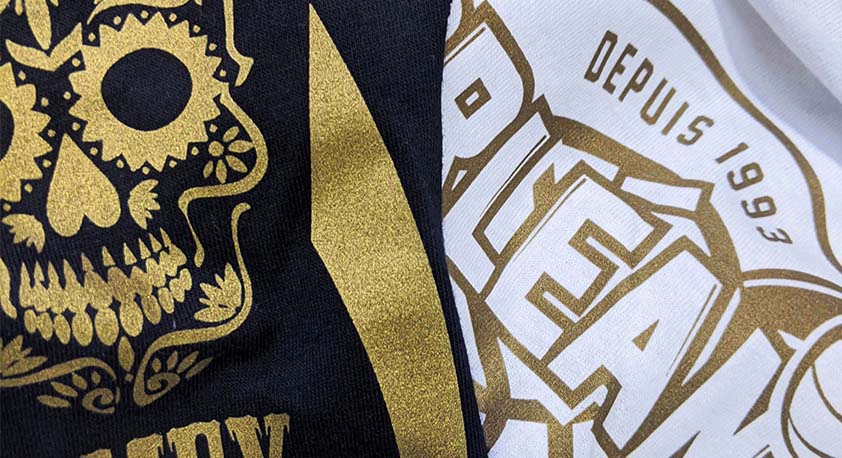
- OptionsGlitter, Pantone special colour, fluo, phosphorescent, super opaque, stop colour-bleeding for sublimated textiles, low temperature for heat-sensitive materials.
03
Seripress silkscreen transfers
GreenLight and SeriLight
Four-colour. GreenLight: matt, photo quality, unlimited colours, highly stretchable. SeriLight: very thin feel, no adhesive border, cost-effective.


04
Where are they used?
- WorkwearCompany logos on staff uniforms (catering, construction, services…).
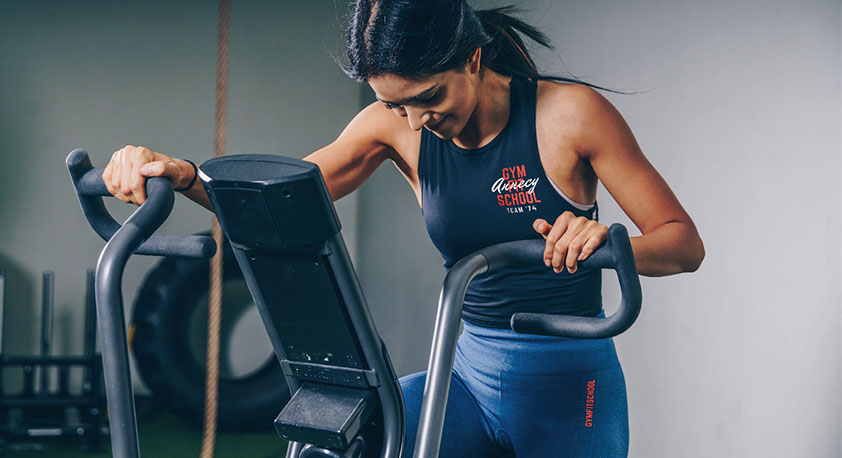
- SportClub logos, names, numbers and sponsors on jerseys, shorts, socks.
- Events and promotionStaff T-shirts, tote bags, giveaway textiles at trade shows.
- Fashion and garment makingCollections, lingerie, swimwear, childrenswear.
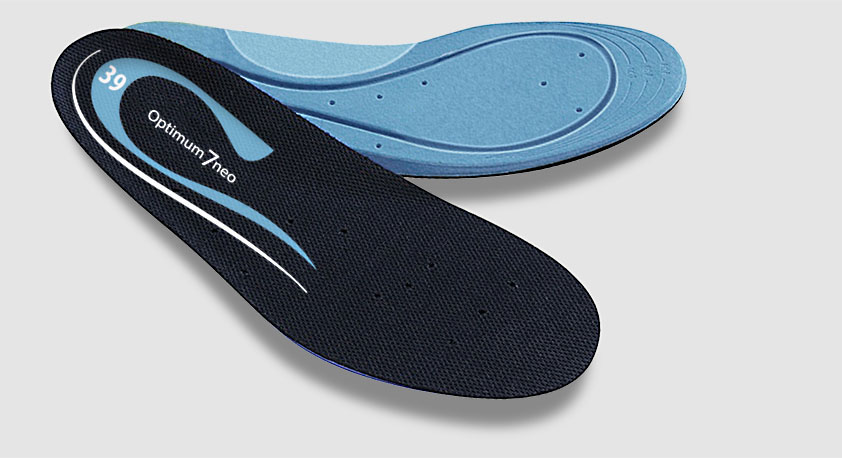
- And alsoMedical, automotive, footwear, bedding…
05
How is it applied?
Heat press set between 140 and 180 °C; the paper is peeled cold, once the textile has cooled. Exact settings are given on the application sheet supplied. See our heat press guide.
Quality: transfers made in France, in Saint-Marcellin (Isère); certified OEKO-TEX® Standard 100, REACH compliant, free from PVC, phthalates and BPA; GreenLight and SeriLight flame retardant to EN ISO 15025.
06
Frequently asked questions
Does a silkscreen transfer need weeding?
No. Only the ink is transferred: outlines are sharp and there is no material to remove.
At what temperature can the marked textile be washed?
Colours and adhesion are retained after many machine washes, up to 60 °C.
Can it be applied to materials other than cotton?
Yes: windbreakers, nylon, luggage, umbrellas, non-woven or leather, with suitable settings. Run a test with our free samples.
When is the paper peeled off?
Cold, once the textile has cooled.
Silkscreen, DTF or Die-Cut?
Our techniques comparison helps you choose.
Go further
Request your free samples to see the result on a real piece.